Leave Your Message
In the present-day fast-transmuting workspace milieu, ergonomic design has become an aspect, which cannot be overemphasized, especially in terms of selecting the right Ergo Office Chair. As most employees now spend long hours seated at their desks, furniture providing comfort and health-enhancing characteristics has suddenly become necessary. It is understanding the ergonomic certifications that are critical towards guiding consumers in making right selections which help improve productivity and reduce the physical toll.
Guangdong Junshi Intelligent Furniture Co, Ltd understands the necessity for incorporating advanced technology with the principles of ergonomics in its offerings. Its resourceful R&D team is centered on smart office solutions for government, enterprise, and institutional establishments. The key features of ergonomic certifying enable the company to sway consumers in selecting the perfect Ergo Office Chair that meets their needs while creating a healthy, productive workplace.
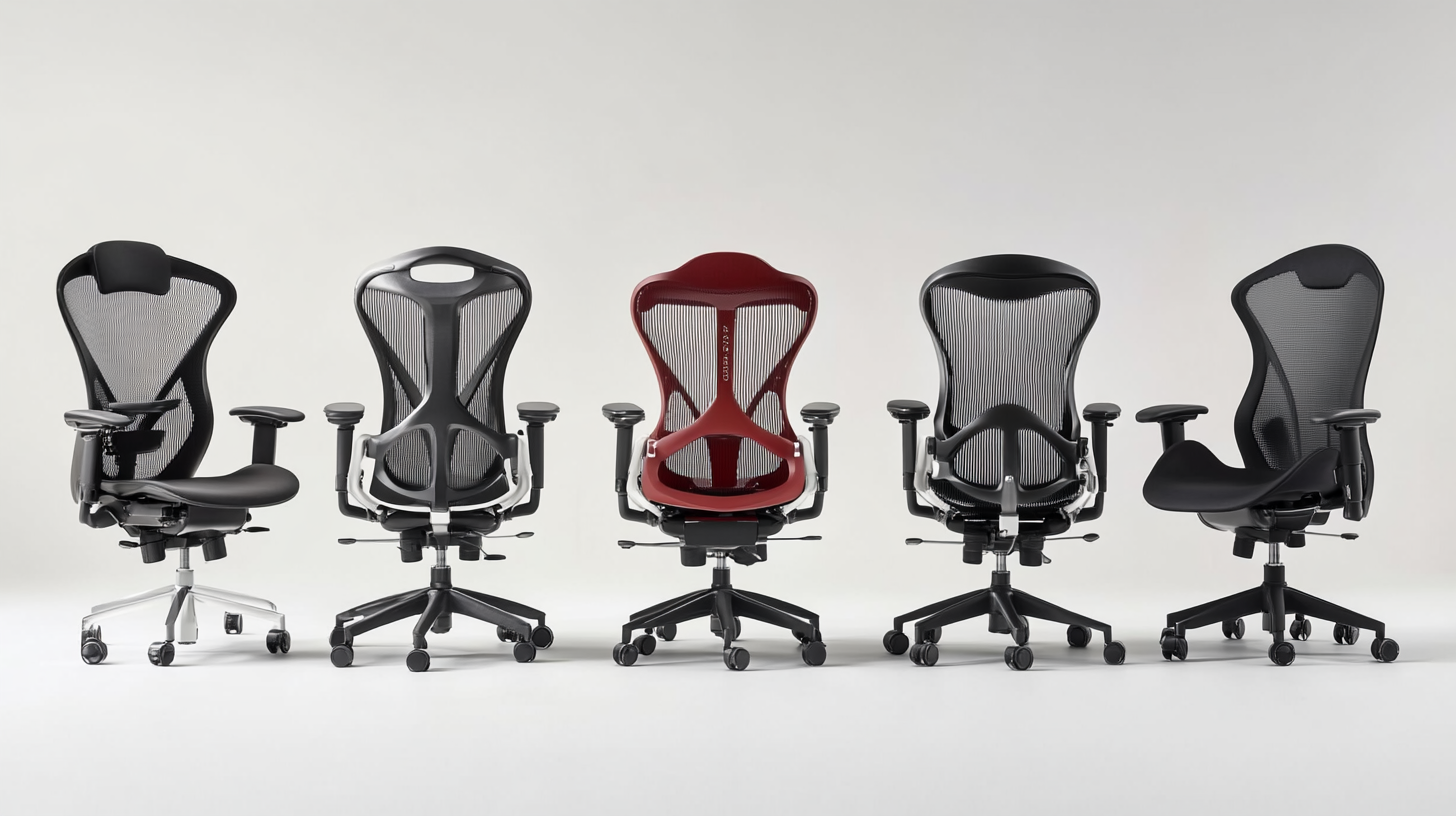
Prioritizing ergonomics in the choice of Office Furniture enhances comfort and productivity; it also has ergonomic definitions about spaces accommodating human need32 to minimize strain and injury. An ergonomic office chair is not just aesthetic; its design also supports the body's natural position for prolonged sitting without discomfort. This implication is more critical for those spending long hours at the desk because, in good time, bad seating ergonomics lead to musculoskeletal complications. This ergonomic principle affects well-being and even factors such as adjustable features in office chairs such as seat height, lumbar support, and armrests. Adjustment enables individuals to personalize fitting to body type preference differences. But well-designed chairs also support good posture and prevent fatigue, which results in focus and follows productivity. Thus, an organization invests in ergonomic furniture for the office, signifying its commitment to the health of employees by enhancing the quality of a happier and more efficient workplace. Choosing the right ergonomic chair becomes, beyond comfort, an integral part of workplace design that matters to both the mental and physical health of the workers. So, reduced stress at work, improved concentration by an employee, and greater job satisfaction are entirely dependent upon such an environment that prioritizes ergonomic aspects. Hence, making a case on the importance of ergonomics in office furniture selection is a critical step toward creating a supportive working environment.
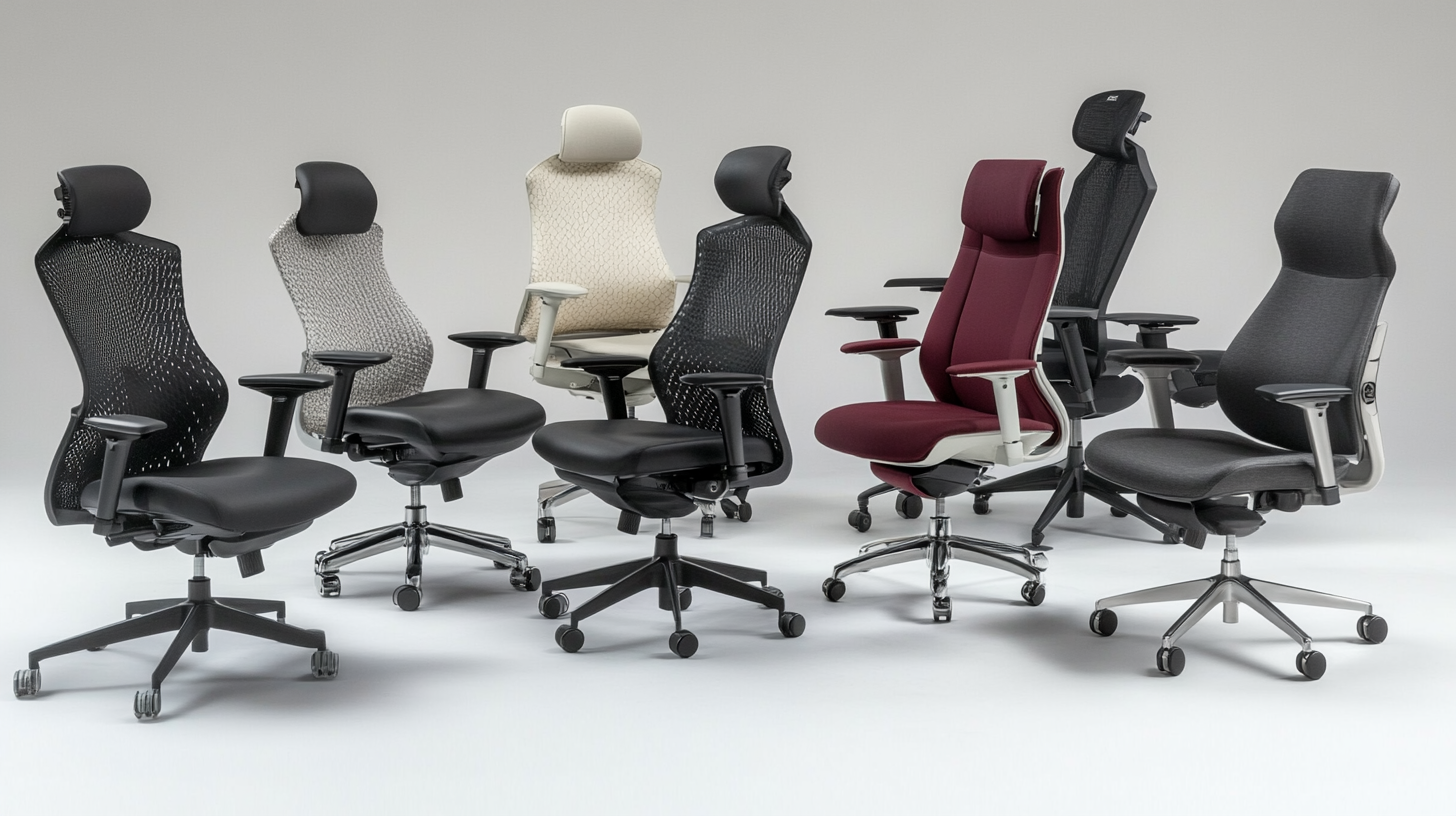
In The Office Chair and maximum comfort and required ergonomic support, the meaning of ergonomic certifications should be understood. Most important ergonomic certification provides a chair that not only is comfortable but also boasts health benefits. For example, the American National Standards Institute and Human Factors and Ergonomics Society have standards that make it very tough to qualify or pass rigorous norms regarding design and adjustability in lumbar support for chairs. Each year, an estimated 298,000 workplace-related injuries are caused solely by improper ergonomics, while statistics from the Bureau of Labor in 2021 underscore the importance of designing chairs in the workplace.
What busy people need to see is that another certification is that of FIRA (Furniture Industry Research Association), which looks into how well quality and ergonomics make office chairs work. According to FIRA studies, well-designed seating can lower musculoskeletal disorders (MSDs) incidence by up to 40%. Besides, look for chairs under the European Union's EN 1335 standard that stipulates the extensive requirements for office chair dimension, stability, and functional performance. Certification helps employers create healthy environments that improve productivity in employees, hence a profit-oriented business context.
As much as possible, invest some time worth it into learning about these certifications, really, in this quest for a healthier workspace. An ergonomic chair is an enhancement to comfort and an investment in employee well-being. Therefore, which types of chairs that meet these certifications bring much benefit in the long run, proving ergonomic awareness to be necessary in planning an office.
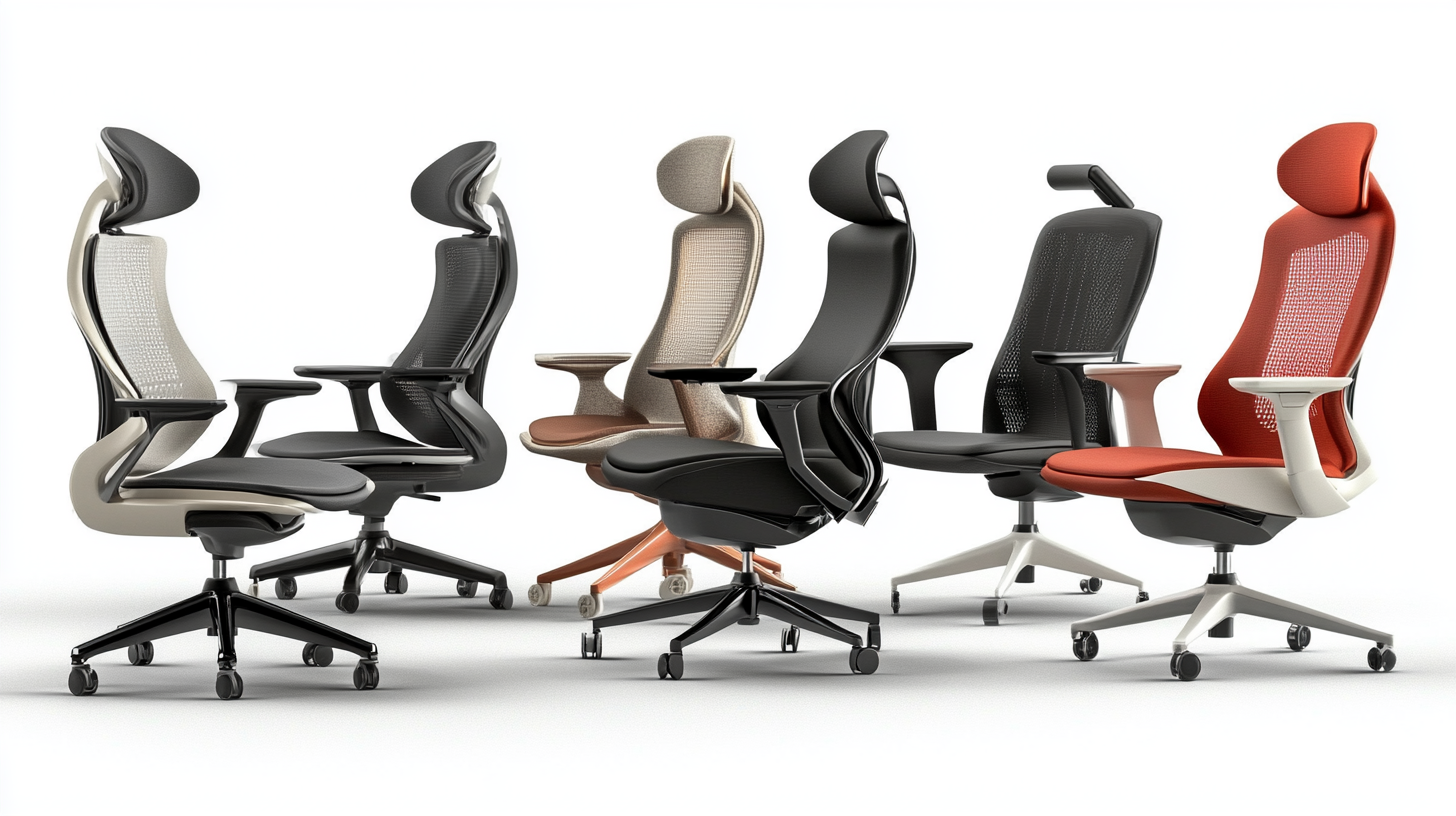
Ergonomics for office chairs: Anatomy for comfort and support while working for long hours. It is more than good looks; it should induce healthy posture and prevent strain or injury. Idealities of an ergonomic chair include adjustable seat height, lumbar support, and depth of seat. All these work for initial alignment of the body.
Influence of Adjustable Seat Height: This can help to make the correct position of the workspace in relation to the desk so that the arms hang down at an ergonomic position rather than straining the shoulders. Another good ergonomic characteristic is lumbar support, which is supposed to accommodate the natural curve of the lower back and avoid flexion of the spine under pressure. This feature should help prevent suffering from back pain, as a lot of office workers do. Additionally, adjustable depth allows a person to sit backed into the chair while still maintaining space behind the knees and the chair encouraging healthy, fluid circulation and comfort while seated.
Then, there are also armrests and freedom of movement. If armrests are excellent, they will relieve the strain on the neck and shoulder. Meanwhile, a chair with good quality wheels will present easy movement without requiring awkward twisting to reach something. These anatomical features will then enable a good choice while selecting an office chair, which improves the aesthetics but ultimately promotes healthy living productivity in a workplace setting.
Coveted by many for partitioning an office space, a good ergonomic office chair makes an excellent capitalization in such a scenario. Within such a constrained space stalls mobility and convenience with an important exception-it takes some time to price a good ergonomic office chair, as its price tends to be rather steep. It could be a vintage piece but would only add flair either at home or perhaps the new trendy office.
One needs to understand the anatomy of ergonomic office chairs, to confine oneself most in an ideal chair that would allow him or her to be comfortable and supported throughout the hours he or she may sit working. An ergonomic chair is much more than pleasing to the eye; it should be designed to promote the healthy posture of the body and thus reduce the risk of strain or injury.
Key elements of fabulous ergonomic chairs are adjustable seat height, lumbar support, and depth of seat: components that contribute significantly to maintaining alignment. This feature allows users to position themselves at the correct level relative to their desks, promoting an ergonomic arm position and preventing shoulder strain.
Another good ergonomic characteristic is lumbar support, which is supposed to accommodate the natural curve of the lower back and avoid flexion of the spine under pressure. This should prevent the suffering of back pain, which many office workers suffer from. For instance, the use of adjustable seat depths will allow persons to sit back against the chair, preventing preserving space behind their knees and the chair for further healthy, fluid circulation and comfort when seated.
Last but not least, we should also keep armrests and mobility in mind. If armrests are good, they should relieve the strain on the neck and shoulder. A chair with properly designed wheels will allow easy movement without requiring awkward twisting while trying to reach something in a hurry or quickly. These are the anatomical features through which one would then be able to choose an office chair which adds aesthetic beauty but ultimately promotes healthy living productivity in a workplace.
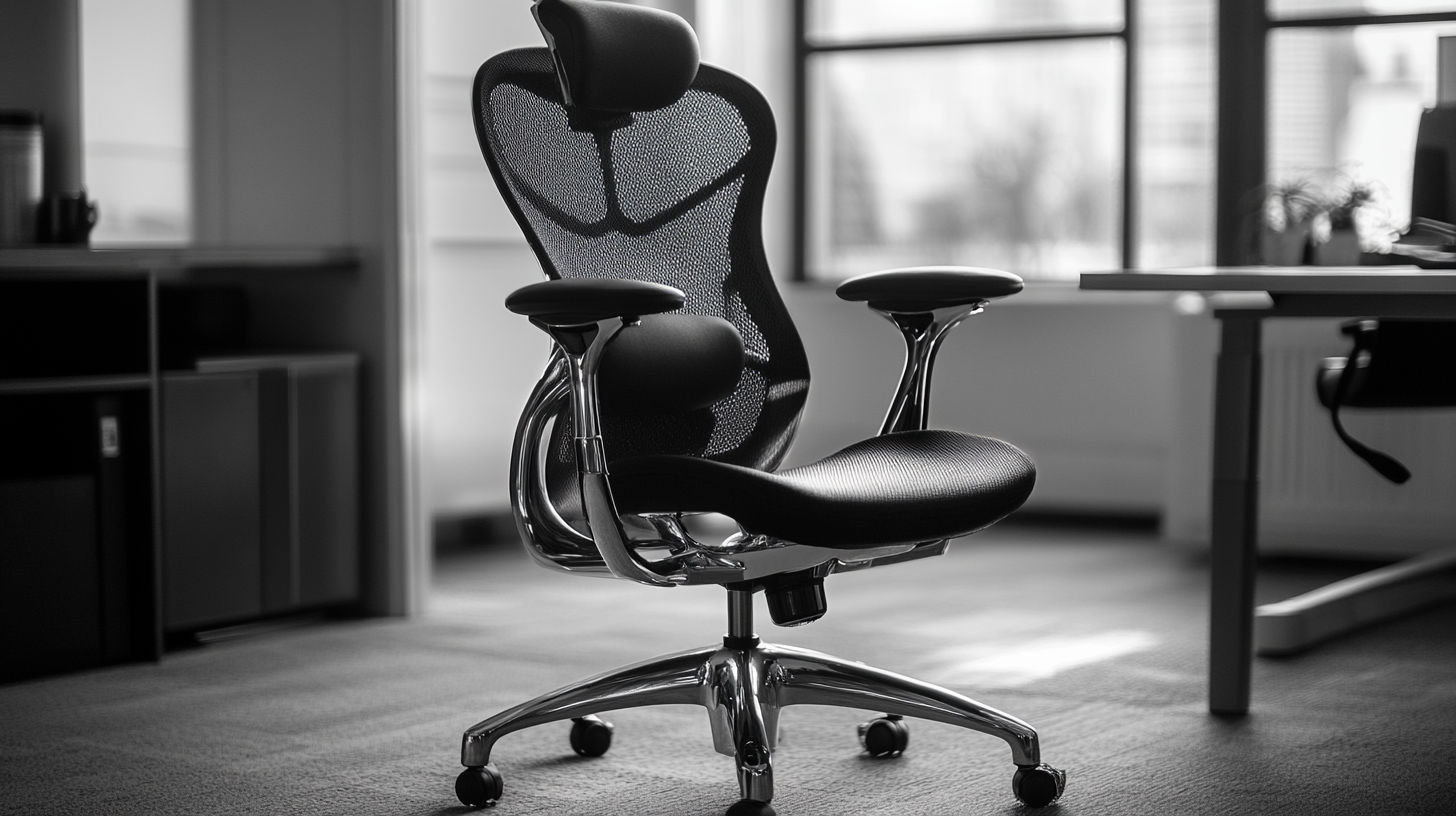
The office chair you will choose must be made for comfort and productivity. Ergonomic certifications are crucial for the office furniture to meet certain standards that help the user during their experience. The organizations providing such certifications are those that promote health and safety in office environments; they guarantee the chair design is in compliance with natural body posture, reducing strain and discomfort for long hours of sitting.
An ergonomic chair with the right certification is expected to include adjustments for seat height, backrest tilt, and armrest position that offer users an opportunity to adjust the chair to their body specifications, ensuring the proper spinal alignment as well as blood circulation. According to research, the better the chair fits, the more comfortable it can become for the user; thus, productivity and focus will increase. With comfort being a major player, fatigue and discomfort become the last things an employee should ever experience.
Ergonomic certification shows that employers aiming for a healthier working environment should choose to invest in. Investing in certified ergonomic chairs will allow organizations to create a culture that acknowledges employee well-being for a decrease in absenteeism and an increase in job satisfaction. The remote and hybrid working models have been given traction, and the search for ergonomic certifications is now more relevant than ever to ensure that individuals perform optimally anytime, anywhere.
When it comes to ergonomic office chairs, comfort and support design features are vital for extended sitting. Important ergonomic features include adjustable seat height, lumbar support, and seat depth, which will vary depending upon the user's body type. Chairs that offer adjustable recline help with comfort, spinal alignment, and back pain prevention.
Comfort is also influenced by the materials used for construction. Fabrics that breathe allow airflow and, consequently, the seating may prove to be still more comfortable. Please look for chairs with a cushioned seat that supports the body comfortably. This complementary support is necessary for achieving a non-fatigued condition.
The recent technological advancement in ergonomic chair design reveals a growing emphasis toward its divergent features in meeting common problems associated with prolonged sitting. Such innovations, in particular, smart ergonomic chairs, with monitoring programs for posture correction, which warns the user to change positions from time to time, are being introduced. With these innovations, it has been reaffirmed that ergonomic office furniture must complement form with function, so the user is empowered to remain productive while caring for health and other-well being.
Taking into mind the comfort and support provided during many working hours, the best knowing ergonomics office chair was certified by different leading brands. It holds among other certifications the reports given recently by industry sources that have implied to prolonged sitting as a problem of maximum muscles, especially necks and backs, and what occurs in the lives of office workers. Such organizations would signify standards for proper posture vs. one's health.
Leading on most of the ergonomic chair brands are, thus, recognized more for their design innovation and functionality, and this has seen them win a number of international awards among others in the design category. For instance, ergonomic products featuring high-end technologies have won many awards as indications of their capabilities in minimizing effects on the body. Even as the market expands really fast, it's the best time for consumers to mind about ergonomic certifications that have been completely validated on health standards before entering into a decision of purchasing a chair that not only feels good but also supports the body.
Growing competition among brands has added spice to the discussion on unique selling propositions-in this case, adjustability, lumbar support, and adaptive materials. Reports show that multi-adjustable ergonomic chairs have reduced discomfort by as much as 52 percent. It means comparing different products against each other's certifications takes on more significant relevance in helping consumer decisions make room for comfort and ergonomic best practices.
There are numerous myths regarding ergonomic office chairs, many of which lead to poor choices in selection. One of the most prominent ones is that all ergonomic chairs are expensive. While some high-end options may demand quite a hefty price, there are plenty of low-cost alternatives available that provide the necessary support and comprise healthy work features. So, comfort and ergonomics can be found at every expense.
Another misconception is that an ergonomic chair can single-handedly solve all posture and back pain problems. Yes, a well-designed chair will do wonders, but it will not be everything. Ergonomics is a holistic approach that takes care of the desk height, the monitor positioning, as well as moving constantly. A reliance, and dependence on the chair can be a false sense of security that will prevent the other valuable ergonomic practices.
Moreover, most people think that using an ergonomic chair will automatically give them the perfect posture. However, no matter how best that chair is, it will still need to be adjusted into personal preferences in order for it to fit different body types and sitting disciplines. Chair settings should be customized in such a way that they adapt to one's unique physiology, for it to be able to maximize its benefits. This is the reason why those myths must be dispelled-they will allow one to better inform decision-making and even better health in the workplace alongside productivity improvements.
Investing in ergonomically approved chairs is an absolute long-term advantage for employee and employer in general. An OSHA study shows that work injuries in organizations with ergonomic solutions were cut by a whopping 20 percent to 25 percent. Workstation injuries mostly lead to increased absenteeism and productivity loss, coupled with increasing healthcare costs. Choosing a chair with a very high standard in ergonomic testing and certification will help businesses create a healthy work environment, which eventually leads to reduced risk related to musculoskeletal disorders.
There are also various ergonomic designs for ergonomic chairs that address the unique requirements of different users to improve their posture and comfort. An article published in the Journal of Occupational Rehabilitation states that comfortable seating increases productivity and engagement up to 27 percent since employees are less distracted by pain. In this way, ergonomically certified chairs would promote the freedom from strain due to continuing sitting of workers and allow them to concentrate better and perform at higher levels.
In addition, companies that buy ergonomic workplace furniture tend to raise employee satisfaction and retention. According to research by the Human Factors and Ergonomics Society, supported and comfortable employees are 40 percent more likely to stay with their current employer than seek another. That means not only a saving on turnover costs, but also a healthier workplace culture. These are decisions organizations can take to benefit their workforce in the longer run by understanding what ergonomic certifications bring into their workplaces.
Ergonomic certifications are awards given by organizations that verify office furniture, like chairs, meets specific standards aimed at enhancing user comfort and supporting natural body posture.
Ergonomic chairs are designed with adjustable features that allow users to customize the chair to fit their body dimensions, promoting better spinal alignment and circulation, which enhances comfort and focus, ultimately increasing productivity.
No, while some ergonomic chairs do have high price points, there are many budget-friendly options available that also provide necessary support and features for a healthier work environment.
No, an ergonomic chair can help alleviate discomfort, but it's only one part of the ergonomics equation. Proper desk height, monitor positioning, and regular movement are also essential for overall comfort and health.
No, even the best ergonomic chairs need to be adjusted to fit individual body types and sitting habits. Customizing the chair's settings is crucial to maximize its ergonomic benefits.
Investing in certified ergonomic chairs can help employers create a healthier work environment, which may lead to reduced absenteeism, higher job satisfaction, and a culture that values employee well-being.
Important features include adjustability, lumbar support, and the use of adaptive materials, which contribute to a chair's effectiveness in reducing physical strain.
Ergonomic certifications allow consumers to rely on verified standards, ensuring they choose chairs that not only feel good but also support their body effectively during long working hours.
Reports indicate that ergonomic chairs with multiple adjustment options can lead to a significant reduction in discomfort, enhancing user experience and productivity.
As competition grows among brands, understanding their various certifications and unique features is crucial for making informed purchasing decisions that align with comfort and ergonomic best practices.