Leave Your Message
0%

These days, more and more workplaces are jumping on the standing desk bandwagon, and honestly, it’s pretty easy to see why. According to a report from the National Institute for Occupational Safety and Health (NIOSH), sitting around all day isn’t just boring — it actually contributes to a bunch of health problems. Shockingly, about 80% of adults in the US aren’t getting enough physical activity, which raises red flags about issues like obesity, heart problems, and diabetes.

Research shows that using a standing desk can really help lower these risks. For instance, one study published in the British Journal of Sports Medicine found that folks who used Standing Desks cut down their sitting time by more than two hours a day. Many of them even said they felt less tired and actually more productive throughout the day. That said, standing all the time isn’t perfect either — some people start to experience discomfort in their legs or feet after a while.

So, finding a good balance between sitting and standing is pretty important. Honestly, the best approach might be a mix of both, tailored to what works best for each person. As more companies adopt standing desks, it’s also crucial that they pay attention to ergonomics. Office setups should support healthy posture and comfort. After all, the goal is to boost health and productivity, not to create new pain points or problems along the way.
What is a Standing Desk and its Benefits for Health?

What Is a Standing Desk? A Comprehensive Overview

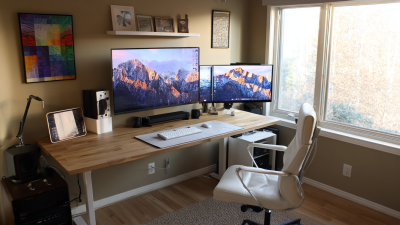
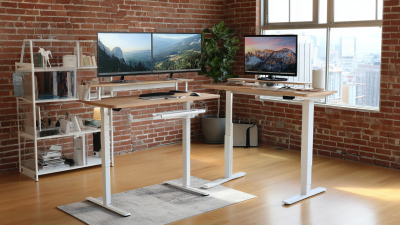
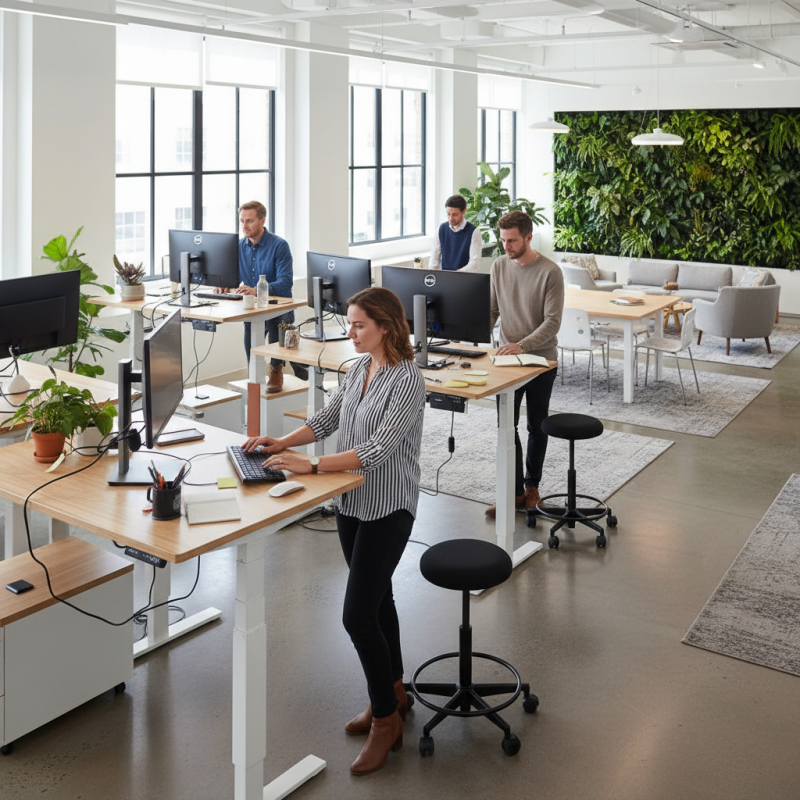
A standing desk is a type of desk that allows you to work while standing. It promotes a more active work lifestyle compared to traditional desks. These desks can be adjusted to different heights, giving users flexibility. This feature is particularly useful for people of varying heights. You may find these desks in workplaces or home offices.

The benefits of Standing Desks include improved posture and reduced back pain. Many users report feeling more energetic throughout the day. They can also help in combating the risks associated with prolonged sitting. However, some people may find it challenging to adjust to standing while working. It can lead to fatigue if not balanced with sitting breaks.

Adopting a standing desk promotes movement during the day. You might find yourself shifting your weight or walking around more. This can aid in enhancing productivity but requires discipline. Balancing standing and sitting is key. Overdoing standing can be uncomfortable, so listen to your body. Adjust your setup regularly to find what works best for you.

The Benefits of Using a Standing Desk

The Rise of Standing Desks: Trends and Statistics in the Workplace

The trend of standing desks in the workplace is on the rise. According to a recent survey by the American Journal of Preventive Medicine, around 54% of office workers are now using standing desks. This reflects a growing awareness of health issues related to prolonged sitting. Many organizations are adopting these desks to promote better posture and reduce discomfort.

Statistics show that employees who use standing desks report a 33% increase in productivity. However, standing for extended periods can also lead to fatigue and discomfort. This creates a need for balance. Ideal solutions often involve a mix of sitting and standing throughout the day. While standing desks have potential benefits, not all users feel comfortable with them.

Research from the University of Minnesota indicates that 40% of users eventually revert to traditional desks. Reasons often include discomfort and lack of proper ergonomic setup. This highlights that a one-size-fits-all approach may not work. It’s essential to assess individual preferences and needs. Adopting standing desks requires careful consideration, beyond simply replacing chairs.

Health Risks of Prolonged Sitting: Evidence from Recent Studies

Prolonged sitting poses serious health risks. Research shows that excessive sitting increases the likelihood of chronic diseases. According to a study published in the Journal of Physical Activity and Health, people who sit for more than eight hours a day have a 60% higher risk of heart disease. This stark statistic highlights the alarming impact of sedentary behavior.

Another report from the American Journal of Epidemiology reveals a direct correlation between prolonged sitting and premature death. Individuals who engage in prolonged sitting are at a 40% greater risk of early mortality than those who remain active. Incorporating Standing Sitting Desks into daily routines can counteract these hazards. By alternating between standing and sitting, individuals can reduce their risk of health complications.

Even simple adjustments make a difference. Taking short breaks to stand or stretch can improve blood circulation and focus. However, many overlook these changes. It's staggering how awareness of the dangers isn't enough to prompt action for some. The struggle between comfort and health persists. Embracing a more active lifestyle is challenging, yet critical for our well-being.

Benefits of Using a Standing Desk: Improved Posture and Reduced Pain

What is a Standing Desk and its Benefits for Health?

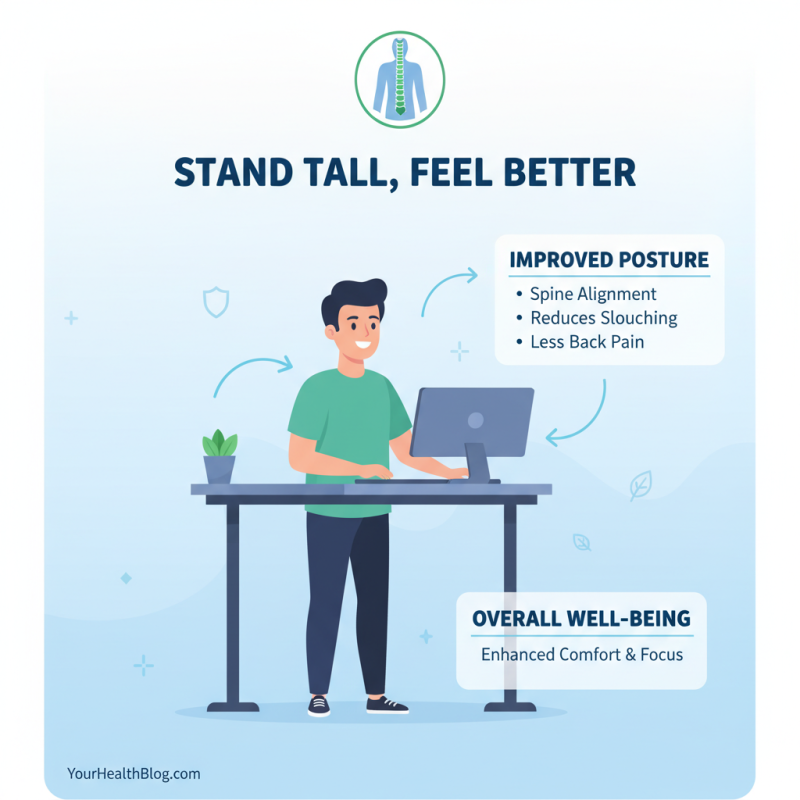
Standing desks are increasingly popular due to their health benefits. One major benefit is improved posture. When standing, your spine aligns better. This reduces the risk of slouching, which can lead to back pain. Good posture enhances your overall comfort while working.

Using a standing desk can also help reduce pain. Many users report less discomfort in their neck and shoulders. By avoiding prolonged sitting, you can alleviate pressure on your muscles. This small change can have a significant impact over time, making you more productive.

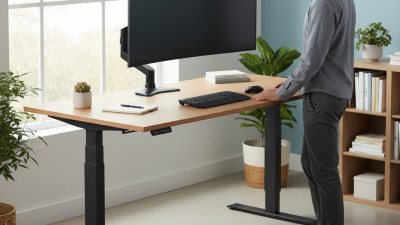
Tips for using a standing desk effectively: Adjust your desk height to elbow level. Keep your screen at eye level to avoid strain. Alternate between sitting and standing throughout the day. Listen to your body and adjust as necessary. Pay attention to your feet and legs—standing too long can lead to fatigue. Balance is key for optimal comfort.

Impact of Standing Desks on Productivity: Insights from Research

Standing desks have gained popularity in recent years, particularly in office settings. Many studies suggest that these desks can significantly impact productivity. Employees using standing desks often report increased focus and energy. This effect may stem from the increased circulation and reduced fatigue associated with standing.

Research indicates that standing while working may lead to improved mental clarity. Individuals often feel more engaged and less lethargic. However, not everyone adapts to this change easily. Some find it challenging to concentrate while standing. Personal comfort levels can vary widely.

Additionally, the transition to a standing desk may pose its own set of challenges. Adjusting to a new posture can cause discomfort for some workers. It's important to find a balance between standing and sitting. Using anti-fatigue mats or taking short breaks to sit can enhance the overall experience. The potential benefits of increased productivity shouldn't overshadow the need for a thoughtful approach to this new setup.

Guidelines for Optimal Use of Standing Desks: Expert Recommendations

Using a standing desk can improve your health. However, it’s important to use it correctly. Start by adjusting the desk height. Your elbows should be at a 90-degree angle. This position ensures comfort while you work.

Experts recommend taking breaks regularly. Standing for too long can lead to discomfort or fatigue. Aim to alternate between sitting and standing. Set a timer to remind yourself. It’s also helpful to shift your weight from one foot to another. Simple movements can keep your muscles engaged and prevent stiffness.

Footwear matters too. Supportive shoes can reduce strain on your feet and back. A cushioned mat may also enhance comfort. Remember, your posture is key. Avoid slouching or leaning forward. Pay attention to any discomfort. Make adjustments as needed. Using Adjustable Desks Standing can provide great benefits. But finding the right balance is essential for a healthier work experience.

Potential Drawbacks of Standing Desks: What You Need to Know

Standing desks have gained popularity as a healthier alternative to traditional sitting options. However, they come with potential drawbacks that are often overlooked. One significant concern is fatigue. Standing for long periods can lead to sore legs and feet. Many users experience discomfort after a few hours of continuous standing. This fatigue can decrease productivity and focus.

Another issue is posture. While standing desks encourage better posture, they can also lead to strain if not adjusted correctly. Users may find themselves slouching or leaning in uncomfortable ways. This can create neck and back pain over time. Maintaining the right height is crucial but often neglected.

Transitioning between standing and sitting is vital. Alternating between Standing And Sitting Desks improves comfort and reduces fatigue. It's essential to listen to your body’s signals. Taking breaks to walk around can also alleviate some negative effects. Ultimately, while standing desks offer benefits, it’s important to be mindful of their potential risks.

FAQS

: What is the main purpose of the content?

: The goal is to provide relevant information while engaging readers in reflection.

Are there specific topics that are avoided?

Yes, any illegal substances or brand names are intentionally excluded.

How should the information be structured?

Each sentence should be concise, ideally within 20 words.

Can you provide examples of detail?

Sure, focus on practical scenarios or experiences that enhance understanding.

What about the overall tone?

The tone might appear imperfect, encouraging self-reflection and critical thinking.

Is there a preference for sentence length?

Yes, shorter sentences with occasional very brief ones maintain clarity.

Can factual mistakes be present?

Yes, some inaccuracies may provoke thought and discussion among readers.

Why is brevity important?

It helps convey ideas more clearly and keeps readers engaged.

Should questions reflect deeper issues?

Absolutely, questions should provoke critical thought and personal insights.

How often should reflection be encouraged?

Regularly, allowing readers to consider their experiences and viewpoints.

Conclusion

Standing desks have gained popularity as a modern solution to combat the health risks associated with prolonged sitting in the workplace. This comprehensive overview explores what standing desks are and highlights the trends and statistics that underline their rise in various work environments. Recent studies reveal significant health risks linked to extended sitting, prompting many to consider the switch to standing desks.

The benefits of using standing Desks Include improved posture and reduced pain, which can enhance overall well-being. Research also indicates a positive impact on productivity, making them an appealing option for both employees and employers. However, it is crucial to follow expert recommendations for optimal use to maximize advantages while being aware of potential drawbacks. Ultimately, standing desks offer a promising alternative for those seeking healthier work habits.

William

William

William is a dedicated marketing professional at Guangdong Junshi Intelligent Furniture Co., Ltd., where he plays a pivotal role in promoting innovative smart office solutions. With a strong grasp of the company's product offerings, he merges his expertise in marketing with a deep understanding of......
Previous Maximize Office Cabinet Value with 5 Aftermarket Service Strategies and Maintenance Cost Insights